S4E15: Dyslexia Uncovered - Tracie Maloney's Journey
Jan 15, 2026
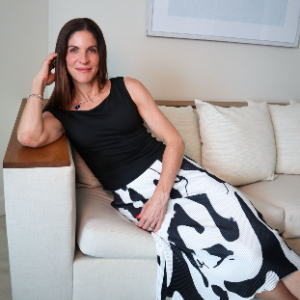
In this episode of Word Blindness, hosts Juliet Hahn and Brent Sopel engage with Tracie Maloney, who shares her personal journey with dyslexia and the challenges faced by her children. The conversation delves into the importance of early diagnosis, navigating school systems, and the emotional impact of learning differences. Tracie discusses her experiences as a parent and a professional, highlighting the significance of empathy and relationships in understanding and supporting those with learning disabilities. The episode emphasizes the need for awareness and advocacy in the dyslexic community.
Chapters:
00:00 Introduction to Dyslexia and Personal Stories
01:47 Tracie's Journey with Dyslexia and Family
05:57 Navigating School Systems and Evaluations
11:58 The Impact of COVID on Learning
17:53 Understanding Learning Differences in Children
23:54 The Role of Empathy and Relationships
29:55 The Importance of Early Diagnosis
35:38 Personal Growth and Professional Insights
41:33 Concluding Thoughts and Future Conversations
Transcript:
00:00:06:23 - 00:00:29:22
Unknown
Welcome back to word blindness dyslexia exposed. We have a really special guest. But first I'm going to say hello to my co-host, Brant Sobel. How are you? I'm well. How are you? I'm finding time to sit down to talk to this great, great guest that we have, been friends for a long time. I've been trying to get it on for for many reasons.
00:00:30:00 - 00:00:58:00
Unknown
You know, I met her when I played in Atlanta, 2010, 2011. She's an angel. She was a VP and, Audi dealerships around Alina Church. How did you have at that time? When we met, probably just the one in doubt. Ended up with five at the end at the five. And she's a dyslexic star. And her two kids are, you know, she was getting diagnosed.
00:00:58:02 - 00:01:12:03
Unknown
Right. And we connected. She she was nice enough to give me a Audi to drive on. I was down there, and she was so sweet. Anytime I was there, give me time. And if I wanted to train, you know, put the car in and take a different car. She was. She walked me down to the area with open arms.
00:01:12:03 - 00:01:34:10
Unknown
And we've been ever since. And we sat down and talked about her, our dyslexia. So, it's amazing woman, you know, connected for for many different reasons. But she's got a heck of a story. To finish this all off. Well, Tracy, I'm so excited to meet you because I've heard so much about you and how much you know your story.
00:01:34:10 - 00:01:52:21
Unknown
Brant hasn't told me yet because he knows that I love to learn, about stories as we go. But Tracy Maloney, right? Is that how you say your last name? Yeah. And you are in Georgia? And, she's got two kids. Oh. Awesome kids. Her husband. You guys are dating or just got married after we met?
00:01:52:22 - 00:02:13:23
Unknown
Correct. How many years? We married in 2011. Yeah, yeah. So. Right. Yeah, yeah. And you're engaged when, you know, we met and obviously the kids aren't around, but. Take us through. Oh, you know, you can introduce your family the best, you know, do that. And you circle back of. You know why the three of us connect? Because we are all dyslexic, sir.
00:02:14:01 - 00:02:40:11
Unknown
Okay, well, I mean, none of this was even on my radar, as a kid. But there were a lot of things that I struggled with. You know, in hindsight, is always, you know, so much more clarity. But, Adam is my husband, and, we we got married and had our first baby, in 2012, and everything was, you know, wonderful.
00:02:40:12 - 00:02:56:06
Unknown
You know, we read all the books to her, you know, going to read to them every day. I mean, I had a book shower because I was like, I'm going to read so much, you know, and we did all the reading and we did all the things with the ABCs and learning, you know, all the things we thought.
00:02:56:08 - 00:03:27:06
Unknown
And, you know, she went into kindergarten, everything was great. And then I remember her, and her name is Madeline. So I had Madeline in 2012 and then 2013. I had Miley's, so I have their 19 months apart. And so Madeline was in, first grade when her teacher, kind of pulled us aside and was like, hey, you know, I really think you need to look into Maddie's really struggling.
00:03:27:06 - 00:03:54:03
Unknown
And she actually was just an absolutely wonderful person. And I guess it was just such a blessing that Maddie had her for her first grade teacher. Very, very special to her. She'll never forget her. We're still friends to this day, but she she kind of could relate to the ADHD and dyslexia. And, you know, I know your podcast is about dyslexia, but, my gosh, didn't they go together?
00:03:54:04 - 00:04:20:01
Unknown
I mean, does anyone have dyslexia without the 40% of dyslexics, you know, have ADHD? Or what about just A.D.D.? You know, like because if you include that too, because Maddie has A.D.D., Miles has ADHD. Like my sister. Yeah. So, you know, and then obviously, as adults, we no one talks about what it's like to be an adult.
00:04:20:03 - 00:04:50:12
Unknown
Figuring out through your children that, you know, you also suffered with all of these things, but you you didn't realize it. Yeah. And you, you know, you realize how much it affects you now. And, you know, it's just a you did your math backwards, right? Not to write her up that way. Yeah, she did her math, but she VP of a five car dealerships doing the math the opposite way.
00:04:50:13 - 00:05:10:04
Unknown
Well, and that was one of the things my, my boss always thought was so weird because I would add all the numbers on the left first, you know, and I guess that was some kind of workaround I had. But, anyway, we back to Maddie and her first grade teacher, so she told us that. So we're thinking, you know, first of all, I didn't.
00:05:10:05 - 00:05:39:22
Unknown
I was like, I don't buy into this stuff, right? Like, that's that was my attitude. Like, we're going to push through, you know, and it really in second grade, it became like a, like a self-esteem issue. It that's when the self-esteem stuff started to really show itself. But also, you know, you get those first test scores and you're like, oh my gosh, like how can I have a child that is in the two percentile?
00:05:39:23 - 00:06:08:08
Unknown
Like what? What are we doing wrong? Because we we didn't know what we didn't know. So fast forward to so Maddie's in second and Miles's in kindergarten because they're one grade apart. And fast forward to March of 2020 and Covid hits. And Maddie, at that point, we had already had her evaluated and we found out, you know, that she did have dyslexia evaluated outside of school or at school.
00:06:08:10 - 00:06:41:21
Unknown
Oh, outside of school. I mean, anything don't even. Can we have a separate episode on the school stuff? Because even get me started on. Yeah. It's it's it's it's criminal. It's it's criminal. The experience that that students have and I would say parents but you know, parents have a varying degree of, what do you call it? You know, some are more fortunate than others that they have the resources or that they know to push for resources.
00:06:41:23 - 00:07:05:02
Unknown
So that's why I say students, because the students that lose no matter, you know. Yeah. And there's all of you focus on the kid in the chair. We always care about that kid. I remember, I remember when Maddie was in second grade and she worked with a special teacher that had, like, 5 or 6 kids because they were all the dyslexic kids, or the kids with IEPs.
00:07:05:04 - 00:07:25:22
Unknown
And I remember him saying, oh, she's doing so great. She's not even, like at the bottom of the kids I work with. She's like hard up with the kids that work with. And at that point, we had already had her scheduled to attend Swift, which is a specialized school for dyslexia, you know, with a $40,000 a year price tag.
00:07:26:00 - 00:07:41:00
Unknown
You know, we can I can I interrupt you really quickly? So but I'm curious, how did you know to go outside the school districts, like, were you I know you're like, they're useless, but a lot of parents don't even know to do that because they're like, well, I don't know what to do. So I'm just going to even though they're useless.
00:07:41:04 - 00:08:06:17
Unknown
Where else do I go? Can you? Well, I was really fortunate because, I had some Audi customers that I had been selling cars to for over ten years. And, and Doctor Judy Woolman, she's very well known. I mean, everyone knows her in Georgia, practically. She she's one of the best in the state of Georgia. And she was my really good customer.
00:08:06:17 - 00:08:32:03
Unknown
And I was good friends with her and her husband. And I reached out to to them. So she did Maddie's first evaluation.
00:08:32:04 - 00:08:54:01
Unknown
I could go back because of your dyslexia. You're really good at relationships, but we won't even go down that one. But so that all, all the dots connect as you just said that. Yeah. So she so she we had already had Maddie enrolled in Swift to start the following year and in third grade.
00:08:54:05 - 00:09:13:02
Unknown
And then when Covid hit, you know, I was working full time. My husband was working full time. We had the virtual we Maddie's been diagnosed now with these learning disabilities. And it makes it really hard for her because we're in that age where she's supposed to be learning, you know, to read. And that's kind of more important now.
00:09:13:04 - 00:09:37:10
Unknown
And Miles is in kindergarten, and I remember Miles had, you know, this packet of crap, I'll call it for virtual learning, which was like it was a joke. It was an absolute joke. Right. So my Adam and I decided, I'll take care of Maddie's online prep, and you take care of Miles. So Maddie and I are diving in for the day.
00:09:37:10 - 00:09:53:19
Unknown
It's like it would take like three, four hours a day, I remember. And Adam goes down to do Miles and he comes up like 30 minutes later. He's like, here you go. Flings it on the counter, and I'm like, how did you do that? So I pick up the pack and I'm looking through it. It's it's his handwriting.
00:09:53:21 - 00:10:08:00
Unknown
He did. He did the whole thing. My husband did the whole thing with Miles. And I'm like, so I'm like, oh, we can't do this. You know, we're going to. It's bad for our son. He's not going to learn anything. So I'm like, come on, we got to redo it. So Miles and I sit down, I'm going to go through this pocket with Miles.
00:10:08:00 - 00:10:29:09
Unknown
I'm going to teach him right. And I get like 30 minutes into it and I'm like, Miles is dyslexic. Two. And I said, Adam Miles is dyslexic, too. He's like, shut your mouth. Don't even don't talk like that. Right? I'm like, he is. I'm like, I know it, you know? I know the signs. Now I see what I see.
00:10:29:11 - 00:10:51:10
Unknown
Yeah. And I said, I think he has the ADHD or Add two or whatever. So we call Doctor Wollman. We got him in and sure enough she confirmed it. Well back up a little bit. So we were doing this virtual learning. I'm sure he has these, you know, learning differences as well. I'm trying to run these dealerships also.
00:10:51:10 - 00:11:06:06
Unknown
I don't know if you remember Brant, but I had gotten sick in that year. Adele, do you remember something about that? Yeah, health. And it was like, but it was like nobody who's story was worse, right? You can hear these stories, right? It's like no one wants to hear because it's like everybody's is worse than yours, you know?
00:11:06:08 - 00:11:29:02
Unknown
So we so we were at the point where we were planning, he was planning to go into first grade at DeKalb County. But then I realized, I mean, I was sitting there was like the day before school was supposed to start and they were starting virtual. Everybody was still starting virtual. And I thought, but the private school wasn't, but they were going to do the whole mask thing and all that.
00:11:29:04 - 00:11:53:03
Unknown
So I remember thinking like, this is going to be a disaster. There is absolutely no way that Miles is going to succeed at DeKalb County Public School virtual for first grade. So I literally emailed the registrar of the school and I said, look, I am 99% sure that my son is also dyslexic and has, you know, the ADHD or whatever.
00:11:53:03 - 00:12:14:10
Unknown
And, I said, is there any way that you can get him in without an evaluation and we'll get one as soon as possible? And, he wrote me back and said, we have a spot in first grade, and we'll take him if you can get the evaluation by December. So then I reached out to Judy and said, oh my gosh, can you also evaluate Miles?
00:12:14:10 - 00:12:39:03
Unknown
So that's kind of how the beginning of our story started. And so all of a sudden you're talking, you know, $80,000 in tuition and 10,000, $12,000 for these evaluations. Yeah. So at the time, you know, I have a great job. We're making that work. But we thought so we had we had applied to, Schanke is a big school in Atlanta you probably are familiar with.
00:12:39:05 - 00:13:00:14
Unknown
And they turned Maddie down. This is back and up a little bit. When we got her into Swift, first, we had applied her escape because everyone said, oh, Schanke is where these kids need to go. You know, this is the big this this very special school. And they we filled out all the paperwork and then they spent, I don't know, 15, 20 minutes with Maddie.
00:13:00:14 - 00:13:19:05
Unknown
I wasn't even with her when they pulled her in and had a little meeting with her. She came out and within like a day, they sent me a note and they were like, we're sorry your child is not a fit. Well, I'm I'm new to all this. And I'm like, so I send this scathing reply, like, what are you talking about?
00:13:19:05 - 00:13:39:12
Unknown
How do you know? You spent 20 minutes with my child where, you know, whatever. Well, turns out they're right, you know, they know what they're doing now. I think they could have been a little bit more tactful about their approach, which I did end up kind of sharing with them that for us, this is a really difficult experience and people don't realize how emotional it is, like people think out of it, no big deal.
00:13:39:12 - 00:13:56:13
Unknown
So emotional, but it is so emotional and you just feel so like you're at fault here. And then you're like, why? How could you say, my child? Because the letter said she's going to need much more remediation than we can provide. And I thought, how do you know what she's going to need? You don't even know her. You spent 15 minutes with her.
00:13:56:13 - 00:14:14:02
Unknown
I was so mad. I mean, I was so angry. Then we went. We went to Swift. And originally Swift said they didn't think it was a good fit. She went to her little Chateau de, and she got in the car and she was like, mom, this is where I want to go. So I mean, I'm crying like, oh, thank you God.
00:14:14:02 - 00:14:29:04
Unknown
You know, we found the place. And then they write me and say, we don't think it's going to, we don't think we can help her. And I'm like, boom. I'm like, I call home. I'm in tears. I'm like, are you kidding me? Like, we're, we're we're running out of options here because, right, there aren't a lot, you know.
00:14:29:06 - 00:14:48:23
Unknown
And so they said, well, let's have her come back. So she went back a second time and then they agreed to Sager. So then we got miles in. And of course they they enjoyed having us there. And that my kids did really well in elementary school there all the way through. Maddie went all the way through seventh and then and now she's moved.
00:14:49:01 - 00:15:19:17
Unknown
But, but it's been quite a journey. And Miles did go back to public school in for fourth and fifth grade because Miles getting him getting him in in first grade was a game changer versus right. Yeah. And I don't know how much to express that. Like I have parents now because I substitute teach now and or I'll talk to parents about the dyslexia and stuff like that.
00:15:19:17 - 00:15:43:02
Unknown
Because in our little community, a lot of the kids end up at different schools because of their needs or whatever. And people ask me about the schools and I just tell them, like, if you even suspect remotely that there could be something, the faster the better. And I truly believe that. So that's so miles, in terms of reading, was remediated much faster than Maddie.
00:15:43:04 - 00:16:04:02
Unknown
And so I don't know if she just has it worse than him or if because he got in in first. You know, the way I say that is, you know, we've been talking about more stage for for talk about cancer. We want to find it at stage one. And that's what Miles was, right. You know, any time after that, like I found it at stage 32 because I was 32 years old.
00:16:04:08 - 00:16:26:10
Unknown
Do you want to find it at 64 or do we want to find it at, you know, grade one or grade two or so, 100%. The earlier you can do that, no matter what that is the every month counts, every day counts of getting it tested. And we talk about it is being tested is now you figured out the roadmap of your kid's life right now?
00:16:26:15 - 00:16:47:10
Unknown
When I got to Atlanta, I had to Google everything, figure out where I was going. Right? I had to figure out, you know, there was a map. You know, map was on our phone. MapQuest. We always look for the map. Where to go with directions is maps. Right now we have that map for whatever kid. Now, Miles, you know, our kids, any kids, the next generation tested, you know, now you know how they're supposed to learn.
00:16:47:10 - 00:17:09:01
Unknown
Now you're supposed to go left instead of going right. You're supposed to go straight. And you know, it is an absolute game changer. I was going to say, and also because of all of the habits and I'm going to say habits that we pick up to get around things that's so like when Montgomery, when he went into Southport, he was in fourth grade and he had already worked on everything on how to get out of things.
00:17:09:01 - 00:17:26:01
Unknown
So it was really I mean, the teachers were like, it was so difficult to take him back to being like, okay, no, this is how you need to learn. Instead of going from A to Z to D to see that. So Miles learned ABC and D, right? He learned to go to the correct steps instead of them having to break him down and then build him back up.
00:17:26:02 - 00:17:49:12
Unknown
He was already fresh. Yeah. She's got three kids, you know, he's got three kids. You know, she's dyslexic. This graphic Montgomery sophomore in college when she, junior and senior. So in a sophomore. But the senior in sophomore just got in. Just guy got diagnosed within the last six months. So, you know, she's living you. So she's not world of what you just spoke about.
00:17:49:12 - 00:18:10:22
Unknown
She's living it now. You know added that a little bit of the older age, the too narrow sakes she's in the state of New York. So, you know, kind of, you know, a little bit different what they've got to do compared to, to Georgia. But you don't you live in that exact, world that, you just spoke about, you know, over there, her oldest is more severe.
00:18:10:22 - 00:18:33:04
Unknown
So to to go so he's got four of the five days which I have, which I had her two. So that's dysgraphia, dyslexia, ADHD and just like oh dyscalculia. I didn't say that. So my other my younger two, they are good students. And Montgomery was always struggling to be a good student like I was a terrible student.
00:18:33:06 - 00:18:49:14
Unknown
They were good students are good students, but when they hit apps or when they hit high school and started taking harder classes, all of a sudden both of them were like, well, my daughter, she just was like studying until like three in the morning. And I'm like, what are you, honey? Why are you studying so much? I was like, I know, and she's have been always a good student.
00:18:49:14 - 00:19:03:05
Unknown
Like we always say, like she's the best student. I took her driving and I said, hey, go left. And she went, right, and I went, why did you do that? And she goes, oh, I get that mixed up. And then I was like, oh my God. I go, wait, can you tell me? And I literally was like, how is your spelling?
00:19:03:05 - 00:19:22:12
Unknown
I don't do their homework with them because that's like, I don't do homework. It's so absolutely not. Yeah. And so they both did. Truman going into algebra two. He's very dyscalculia. And then Spanish for he was like, I don't even know how I got to Spanish for like when they really broke it down. They're like, you really know what?
00:19:22:12 - 00:19:36:19
Unknown
He just figured it out how to get high. And then he couldn't do it anymore. So then I got him diagnosed. I knew his spelling was always bad and didn't think of it. Just was like, we're just poor spellers and I know this world like this. I know this world. And I totally missed it for my two kids.
00:19:36:19 - 00:19:58:04
Unknown
I missed it for my two kids. But they don't have the ADHD or the dyslexia where Montgomery and I both have that. So that's like a little bit more like it's more apparent. And Montgomery was like, he has his handwriting. Excuse me, his name is Montgomery, and he's severely dysgraphia, like, you can't read his handwriting. And so child abuse for having a kid dyslexic kid and name was so many letters.
00:19:58:04 - 00:20:21:05
Unknown
So you know, I have to say it the whole time, I mean. Right, that's what it is. But yeah. So Tracy, I totally get it. So the fact that Miles was able to jump is because of and that's what we talk about here all the time, the importance of that early, you know, the early intervention. But and you said a couple key words there as you're talking through that is you were able to see the signs.
00:20:21:07 - 00:20:41:19
Unknown
You can't see signs that you don't understand or you don't recognize. Oh, I didn't see it. You weren't you didn't know what to look for. And that's why, you know why? That's why we do this podcast. That's why we talk about it is knowledge is power in this world. You know, like I've you and I met and y'all, just started talking about this.
00:20:41:19 - 00:21:02:07
Unknown
You know, I talked about my dyslexia. I was, I, you know, I was open about it, but I didn't even know what that really meant until after hockey. And, you know, here we are. How many years, you know, how many years later? All your defy call, you know, defense mechanisms. You were able to get around and run five dealerships, a different way.
00:21:02:09 - 00:21:25:02
Unknown
Your relationship base, you know, you're always you're and say, anybody walked in, you know, I'd never had an appointment. Come in. Could I change cards? You always accepted me. Always. You had no problem. I'll go talk to whoever. But you did that with everybody. That's how you know that you built that relationship with everybody. Everybody's kind. It was, you know, who's coming off of how you ran your dealerships and you know, it's relation relationship based.
00:21:25:02 - 00:21:51:06
Unknown
And, it's amazing how far this connects and this goes. And it's going to lead into my, you know, I always talk about seeing so many things differently and being looked at like, what are you talking about? You don't make any sense. Like you're crazy. You're like, what are you talking about? And and see, things happen almost in the future.
00:21:51:06 - 00:22:12:01
Unknown
I'm, you know, Joy, this is going to happen in six months. Elizabeth is going now. No it's not. What are you talking. And it happens and you're on a trip. And you, you knew something was going on just by a gut. And how we can read situations, people, diagrams and the world so differently. But you change that.
00:22:12:01 - 00:22:41:16
Unknown
You you literally save the life. So do you want to take us through this story? I mean, I'm like, I just telling my wife, like, yeah, wait till you hear this story. It's it's it's something. Marcus maracas whatever. That word. Miraculous. But yeah. Yeah I mean, you know, when, when I was first going through getting these diagnosis with the kids, you know, Brant was who I turned to first because he was in that world.
00:22:41:21 - 00:23:04:03
Unknown
You know, he was really the only person I know that would was actually talking about it anyway. But it was also not the greatest time in your life, which, you know, I didn't really realize. You know, people think a professional athlete has it, all right. You know, they've got the fame and the fortune and the, you know, the you know, everybody loves a professional athlete and you're a role model.
00:23:04:03 - 00:23:33:10
Unknown
And but you were going through are done because you started opening up about like, I can't even fill out a job application. And, you know, you were opening up about how people past you through school because you were such a dynamic and, you know, incredible athlete. And so you were helping me to realize, like, even though I didn't get the help that I needed, and even though I'm in this hot mess period of my life, what you're doing for your kids, like, you got this, you know?
00:23:33:10 - 00:23:54:13
Unknown
But I couldn't see it at the time. You know, I just all I could see was that, like, they can't read. Like, why can't my kids read, you know? And it just. And even when we were at Swift for several years, like, Manny was still not able to read. And it was like people were just like, how can I how can a kid not read, you know?
00:23:54:13 - 00:24:19:02
Unknown
And it's like, no one is like, I was doubting myself there, you know, it's like I felt like I had to explain to people which, you know, I've come a long way and I've learned to look at the individual child and the individual situation. And I remember like when Swift started trying to transition us from learning to read and Miles learning to write, because Miles's writing is horrible.
00:24:19:04 - 00:24:38:07
Unknown
I remember talking to these schools like look, and it was DeKalb County with Miles, and I was like, you know, they're saying, well, he needs to use the computer to time with Maddie. She needs to use assistive technology. And I'm like, I'm out. No, you know, we're not giving up on this child reading or we're not giving up on this child writing.
00:24:38:09 - 00:25:03:23
Unknown
But now I look back and realize that, I mean, they were just doing their job to let me know that, like, that is the way Maddie is going to read. And I think about it and I'm like, I don't read books. I didn't read. Doctor Coleman sat Adam and I down for the conference after to to kind of we go through the parent conference with her to go over all the findings.
00:25:04:01 - 00:25:20:17
Unknown
And one of the things she said was, you know, she asked us both something about how many books you know, we read as kids or what, you know, something about the books. And, yeah, we kind of looked at each other. It was kind of funny at the time. We're both like non like. And she's just like looking at what?
00:25:20:17 - 00:25:37:03
Unknown
And we're I never read a book. I mean I got the cliff notes to everything. Remember the cliff notes. You know I oh that's how, that's how I got through everything. Yes I would read half of cliff notes, but guess what? Now, at any given time, I'm probably in 3 or 4 audiobooks at a time. Like I have one for fun.
00:25:37:03 - 00:25:56:04
Unknown
I have one for educational purposes, I love it. Is it called reading? I know it's listening, but it's 100% no, that that's your reading. Well, that's what I realized with Maddie. It's with Maddie. It's like, okay, maybe they were right. Maybe this is the time to transition to that kind of reading, because that's what I do, you know?
00:25:56:04 - 00:26:18:22
Unknown
And then with Miles, you know, he just can type now and and there's no right or wrong. Yeah. I mean, when it comes to I think we're trying to push that, you know, square peg in the round hole for so long. You know, you're not doing it. You're doing a disservice to your child if you're trying to hold back on the assistive technology that's available.
00:26:19:03 - 00:26:37:14
Unknown
But it's a it's a weird point for a parent to figure out, like, when do I say he can't write? Or when do I allow him to stop trying to write and allow just type everything, you know what I mean? But there's also which is really interesting because Montgomery still, I mean, in college, like if you, you cannot read his handwriting.
00:26:37:14 - 00:26:53:06
Unknown
And they were like, he has to use technology. But he's like, mom, the way I have to like the way it gets into my brain. And this is my all my kids are like this. I am too, but I switched a little bit more where I can use technology, but like he has to read it to to solidify it in his brain.
00:26:53:08 - 00:27:07:21
Unknown
And he's like, he's like, mom, it's so frustrating. I write it and then I go back and I can't read it. So if he is not understanding the subject, it doesn't matter. But if he's understanding the subject and he writes it, he doesn't need to go back and read it because it's already solidified in the spring. It's amazing.
00:27:07:21 - 00:27:21:22
Unknown
So and but like he'll even say to me, he'll know professors that he's like, they don't get it. Like they don't get it. So it doesn't matter. I have to figure it out. It's not their it's not their problem. I remember him used to saying in high school and I'd be like, no, I'm going to go and rip a face off like you have an IEP.
00:27:21:22 - 00:27:36:10
Unknown
Like they need to stop it because you would never know that the kid struggled, struggles because he has such a personality and he knows how to get out of things. But he would actually write some things because he knew the teachers couldn't read it. And the ones that wouldn't call him out on it, they would just give him an an 80 ever.
00:27:36:12 - 00:27:48:19
Unknown
He got 80 and he's like, I didn't. I literally scribbled on a piece of paper, I didn't even do it. And I'm like, yeah, but that has to feel shit at some point that, you know, that they didn't even care, that you didn't do it. Teachers that pushed you, you would get annoyed at it, but you knew that they respected you.
00:27:49:01 - 00:28:05:10
Unknown
And so there is a difference, and it is the way they're supposed to tell us is like, you have to use this assistive technology, but they also need that's why it's so important to have that whole neuro psych to really know the strengths and weaknesses, because you might need to write something down, but then, yes, okay. If you need a final thing, maybe you have to type it.
00:28:05:10 - 00:28:28:12
Unknown
But he is not great on typing like it's actually he struggles on assistive technology. He's way better with pen and paper and you know, there is no bedside manner as I like to see it in that whole process. She's not a failure is because they don't have it. They don't have dyslexia, they don't have ADHD, they don't have learning disorders because they never approach you that way.
00:28:28:17 - 00:28:51:15
Unknown
It would be approach to you completely different. And that's why I always use the reference of bedside manner. You know, a doctor, you know how many doctors never been in that bed. They've never been the patient. Right. And that makes a huge difference once you've been there. I mean, now it's it's a game changer. And that's why they're, you know, I bet you 100% go back there.
00:28:51:15 - 00:29:14:08
Unknown
They're still replying to emails that way. Even though you said what you said, it was rough. You could approach it differently. They don't even understand what that means because you've never struggled the way we mean. What way we have. Right. So certain words put in a certain way. You just told me, you basically told me my kid is not good enough, which they didn't mean, you know, but that's how we take certain things.
00:29:14:08 - 00:29:37:17
Unknown
Like we're not good enough. We're not smart enough. We're not able to do that. What's wrong or what's wrong with us? That's that's our first. That's where our first goal is. And there's no bedside manner in this dyslexic world. Why the people that hadn't been there, I don't have it. And there's a reason why people with learning disorders, life expectancy is 15 to 20, 20 years less.
00:29:37:19 - 00:30:08:01
Unknown
Because the mental health, the stress, what we put ourselves, the self esteem, all those instances, all those things that come into play when it factor in, you know, the length of your life. Yeah, yeah, it's the people that don't have it is telling us what to do with me. And that's why this dyslexic world isn't, being tackled the right way or complete resolve.
00:30:08:03 - 00:30:34:23
Unknown
And it all comes with early diagnosis. Yeah, I think it's I mean, I think it's crazy how, because now that I substitute, I primarily work in the pre-K room. And I think it's crazy how you can already see it in pre-K. You can see now you don't know exactly what you're dealing with, but you can already see these learning differences.
00:30:35:01 - 00:31:00:02
Unknown
Yeah, but but they're you know, the mentality there is like in the public school system at least the but the mentality is like we don't say anything. So it's like you've got, you know, 20 kids in a room and there's clearly 4 to 6 of them that you could spot right away. And then there's like 1 to 2 parents that are already on it.
00:31:00:04 - 00:31:26:13
Unknown
And the reason they're already on it is they probably have an older child or nephew or a niece, or they're probably in the medical profession in some sort of. But the other four or so, it's like you can't even say anything, you know, you can't even say anything to the parents. Like, hey, you know. And right, we did have a teacher for Miles that wasn't even his primary teacher.
00:31:26:13 - 00:31:45:20
Unknown
She only taught one of the specials that he went to, and she was a friend. And she's she pulled me aside and was like, I think you need to. And I was like, yeah, I know, you know, I we figured that out too. But it's weird because she was doing it like completely off the record and it could get her in trouble.
00:31:45:20 - 00:32:07:10
Unknown
And it's like, we'll get her fired. She was she rushed her drawing. My mom was a kindergarten teachers, Tracy, and she was the one that used to tell parents and like she was getting she got her hand slapped Millie. But she was tenure. And she was like, I don't care. I don't care what any of you say. I'm going to call it out, and I'm going to let the parents know that this is what they need to do and is in ten year ten, is it ten years?
00:32:07:10 - 00:32:25:09
Unknown
Is that why ten year ten? Is that what that is? Now? I want to say it was six, but I just know he's just making a ten year or ten years and I just got caught up in my world. Makes sense though. It would make sense. But now it's less than that. Eight. Yeah, but people you know what I was thinking?
00:32:25:09 - 00:32:43:05
Unknown
There's every teacher wants that right? So they're not going to retire. I don't know if that's know that five years. Is that six years? Is it ten years? I don't know, majority of teachers will not rest their job by saying, hey, Tracy, I think about her. You know, Julie, I think there's something going on with with trimming. You know, they're not going to do that.
00:32:43:07 - 00:33:00:10
Unknown
They may do that, you know, do that to your mom once or ten year. There's nothing you can do. Right. Yeah. And this was a I mean this is a long time ago. So but let's not let's just, you know, run with a changed, you know, teacher, let's take, let's say for the first five years no teacher is going to risk it.
00:33:00:10 - 00:33:24:09
Unknown
So basically kindergarten to grade five per se. It's not going to fall that way. You're not going to do anything. So we're going to wait till middle school to start saying things because you don't want to risk losing your job like you've already done your damage. And then how many, how many kids. No we're just research angles from 5 to 18 I think there's 70 million kids.
00:33:24:11 - 00:33:45:23
Unknown
Right. So what percentage of that where as you're in a pre k you know you can notice 4 or 5 kids. We're talking pre k. So remember when we were five years I think you got tested for scoliosis to where we're going through the p line. You had to get in line and they would do the little spot to the thing back.
00:33:46:01 - 00:34:05:18
Unknown
Yeah. No screening for scoliosis. But we can't get that in Canada I you know I shouldn't say we don't I don't remember I remember in Canada our dentist was in school. So he come to school and yeah, in the we had a dentist chair in the school. Yeah. We had, we had a dentist, but it was like a very.
00:34:05:19 - 00:34:28:12
Unknown
Yeah. Fake. Yeah. Look good. They're hockey team right. Right. So was like feed her and there's and there's and there's more to go. You know, it's tell us, you know, it's we get into the school stuff. Tell us about your story. Your trip. I was I say, I'm so glad your vacation trip. I was going to I was in a reminder.
00:34:28:12 - 00:34:51:22
Unknown
Yeah. Tell. Saw that trip. That's a that's another episode that's in that episode because that's that's that that goes into that Brant. That goes into that. What are you what would you say the sixth Sense thing. We always just like said, do you think a son has that he he picks up on everything like that. He's very he's very and that's what I talk to that you know.
00:34:51:22 - 00:35:20:12
Unknown
And why I bring that up is because that's what I talk to, you know, daily of being misunderstood. Yeah. But that, that, you know, for me I've lost, you know, people look at me. Look. What are you talking about? You're an idiot, you know? You don't know what you're talking like. What you're saying is, you're saying, like, I'm like, I just saw a spaceship come down, right?
00:35:20:12 - 00:35:50:11
Unknown
Right. That's what they they literally think that. And I said all the time it's it is probably the hardest thing, you know, in this whole learning difference. Dyslexia. ADHD for me is being so misunderstood on a daily basis where people think that I'm completely in another never, never land. And but and this is what's interesting because I think definitely not every dyslexic has it as strong.
00:35:50:12 - 00:36:16:12
Unknown
You know, I think that like, I think there's, a spectrum of it and, and just like everything, which is really interesting. But I do think that there is it's interesting, my friends that are dyslexic or like, even my kids like and or and myself like, I, you know, knowing Brant has it, I think because of hockey also where you knew where the puck was coming and all of that, like so your spatial, what is that spatial or whatever.
00:36:16:14 - 00:36:39:03
Unknown
Yeah. It was so off the charts. And then also knowing okay, like I know that how this is going to play out there. Like I do think a lot of dyslexics have it. Not everyone knows how to tap into it. I do believe that too. And it's really interesting to see and who knows, like whether it's, you know, one of your senses, as you know, if you're blind or deaf, right, you're going to get something stronger.
00:36:39:05 - 00:37:10:04
Unknown
Who knows what part of the brain like is it? Does it mean you're more dyslexic or is it doesn't mean you're more geographic aware in your brain that than something else? Well, something else is heightened, right? So like you're you're stronger here because maybe you're weaker here. Like who knows. But it is a very fascinating thing. And I do know talking to so many, I mean, any person that we have on the podcast, you know, our empathy, our, you know, being intuitive, like there's so many things that really are like a red thread between, hey, every dyslexic.
00:37:10:04 - 00:37:24:11
Unknown
Yeah. In business, how many times you sat there in, you know, in a meeting or in that conference or you're like looking you, you know, sideways, but you know, the fact that you're the boss had to listen to you. But it worked out, you know, in the end you had a vision in the end, but they just couldn't see it.
00:37:24:12 - 00:37:56:12
Unknown
Yeah. I in in business I did often feel misunderstood. And you know, I, I think it's a, I think it's an issue when like, I feel like I could like predict problems that were coming, you know, like you were talking about earlier. That was something that I always I could see ahead, this, this train wreck come in and you know, I might visual I, I might vocalize that to my management team, my core management team.
00:37:56:13 - 00:38:25:02
Unknown
And over time, you know, they learned that, you know, I was probably going to end up being right. And they learned to appreciate that very much. And, you know, I think it helped them to to kind of see that, you know, there is something to that, you know, if you and like cause and I and it would often come across as like, okay, we need to address this with these employees or we need to address this with this issue because this is what's going to happen.
00:38:25:04 - 00:38:57:16
Unknown
And you don't realize what a gift that is until, you know, until you kind of realize that not everyone has that, you know. So, I mean, I looked at it as a gift. It's it's it's not always a gift, though, because you carry a lot of weight on your shoulders over, over the, the anticipation of what you can see coming that potentially, you know, you know, is not going to be a good thing, but you feel it and then you know, a lot of times you're right.
00:38:57:16 - 00:39:20:06
Unknown
And so then that, that just, it just it just justifies your thoughts on that. And, and then you and then what'll happen is sometimes you'll project that on to things where you're not right. You know what I mean? Because then you start to say, I think we run in our brain with a lot of worst case scenarios.
00:39:20:08 - 00:40:05:06
Unknown
So not to laugh, it's, you know, but didn't you? So it's such a huge that you're going to be dealing with learning your whole life with this. So I, you know, I try to embrace it as a gift that, you know, you have this, I don't know, discernment that maybe, you know, you use to your advantage and to help, you know, but at the same time, it's not always a good thing because you know, the way that your mind works, you know, and everyone else around and around the right people think about Brant and people, you know, I think unhinged is a good word because you kind of like sometimes you'll just you, you would
00:40:05:06 - 00:40:28:07
Unknown
just go off about something. And so people would just be like, what is going on with him? But I think what comes across and I'm so glad that y'all met each other and got together and you're married to your beautiful wife now and, you know, see, things in your life seem to be really finding a lot of purpose and meaning and like, you're in a good place and, you know, you're such a great person and you're so passionate.
00:40:28:09 - 00:40:52:04
Unknown
But I think it's just like there's such a depth to what you've dealt with. You know, like you dealt with being like the top up here, you know, in hockey and everybody's role model. And, and I remember you were one of the professional athletes that was so genuine. You know, you were so real and genuine and kind and open.
00:40:52:04 - 00:41:11:08
Unknown
I mean, and it goes it runs the spectrum because some of those athletes are like, and I'm coming in. Please don't have anyone look at me, you know, kind of okay, so you were different. You know, you wanted to sign an autograph or do a show thing, you know, do a, an event for us, or you really cared about our product and our brand and representing it.
00:41:11:08 - 00:41:28:08
Unknown
And you wanted us to come and enjoy the games. And you were such a kind person that you were, you know, at the top of your game, you know, and you were so well respected and you had all this fame, and then you sort of fell from grace in your own mind when you lost all that because it was over.
00:41:28:08 - 00:41:56:19
Unknown
Not that you did anything wrong, but it's just like life after hockey. And then that's when you finally were like, Holy shit. You know, they passed me through school and they didn't really care about me. And then you had to come to terms with that. And then that's when I know, because we've all dealt with like a lot of early, I shouldn't say all, but a lot of us with these kinds of issues have dealt with like substance abuse issues where you just like, you know, and it's like sometimes you just want a mental break from yourself, you know.
00:41:56:23 - 00:42:28:18
Unknown
And so it helped, you know, thank God we have these Northstar in our spouses and friends and people that can keep us grounded. But, I mean, you know, there's times where, you know, I could have gone off the deep end if it wouldn't have been for Adam. And, you know, and sometimes you and I would just vent to each other, you know, it's like I can think about times I've talked to you when I was pretty much at the bottom of the barrel thinking I'm doing everything wrong and, you know, but I don't know, I think I think it's just us.
00:42:28:18 - 00:42:49:12
Unknown
I read something and this is another thing, like, I was wondering if you all think it's like once you say, oh, I have dyslexia or have ADHD or whatever, it's like you get served up so much information and so you read these things and it's just constant information in. But it makes sense. You know. But a lot of it is just like little one sentence things.
00:42:49:12 - 00:43:18:15
Unknown
And it's like when you have that ADHD, it's like you feel everything ten times stronger, including like rejection and including, you know, like you love deeply, but then you hurt deeply, like way deeper than the average person who may be in the lanes here. You're like way, you know, so that makes that can make life sweet, but it can also make life a little bit volatile at times.
00:43:18:15 - 00:43:48:10
Unknown
I think, you know. You know it's it's all, it's all understanding. You know it all comes an understanding and you know early diagnosis you know we wouldn't have the scars you have if you're diagnosed kindergarten. Every kid. Yeah. We wouldn't be having these in-depth conversations we're having you know hopefully you know in the next generation learn we're able to take care of some of the things here that they don't have these conversations because there's a diagnosis early.
00:43:48:12 - 00:44:10:05
Unknown
Right. There's understanding a lot earlier. You know, obviously you talk about mental health and suicide, you know, all those kind of things, is a hot, hot topic, you know, great. Just having that conversation. But earlier you can have that conversation with understanding, you know, getting a second opinion. Doctor, when I broke my ankle, I know I can't get it repaired this way because I, you know, I need to do this.
00:44:10:06 - 00:44:38:06
Unknown
You know, it's it's information and it's, the right information because there's a lot of the wrong information out there, the lot of wrong information out there. And that's where parents, you know, they were they have nowhere to turn. And so, you know, I want to go back to that relationship, which is like, you know, I think so many of us are really good at that relationship part of life because it's like, okay, we know that we have to get around things.
00:44:38:06 - 00:44:55:10
Unknown
And it's very genuine, though. It's like, I know that I can connect with someone. I know that I can connect and and connect on a different level and not have to be like, hey, let me do math or, hey, let me do this. You know, I don't want you to see that part. So I'm going to show my personality and just be fine and light and you know, and so I think all of that is really important.
00:44:55:10 - 00:45:15:16
Unknown
But as Brant said, it's the diagnosis in the beginning is so important. So you have that roadmap so people can, you know, as a kid you can understand, oh, that's why I do that, you know. And so then parents are not like, oh wait, that's why I do that. I didn't realize and not know until, you know, your kid is, your kid is being diagnosed.
00:45:15:18 - 00:45:46:11
Unknown
Did you have any employees ever come up to, you know, about, you know, ADHD or say they have learning differences or, anything like that? Obviously, you know, it's more prevalent now, but did anybody ever, any employees ever come up and voice out there. Yeah, I mean, we over the years, you know, there were employees that like couldn't read, you know, and it would come it would kind of come out somehow, you know, there was a guy once that, never graduated, high school.
00:45:46:11 - 00:46:08:20
Unknown
And, and, you know, we hired him anyway because, for the particular role, you know, it was not something that was really relevant to his skill set. Because he had experience. But it was interesting in the interview that it was sort of brought up like that, you know, and I'm thinking, you know, why do you bring that up?
00:46:08:20 - 00:46:29:14
Unknown
We would have never even asked you that. Right. And then it kind of came out, it kind of came out that that was something that was a huge, like a huge problem for him. Like he he always regretted that. And this, you know, he was married, his father in law was in the military, and his father in law really frowned upon that.
00:46:29:14 - 00:46:50:08
Unknown
And it had always been a sticking point for them. And so we, we we ended up making a deal with him that we would pay for him to get his GED. We would go out and hire him, and we would pay for him to get his GED. And, we would give him like 90 days to do that.
00:46:50:08 - 00:47:14:16
Unknown
And, and so he agreed. He took the job and he agreed, and he worked on it and he did it and awesome. And this is like many years after high school. I'm talking like maybe even 30s or 40s. And we and when his father in law came back, he was overseas. And when he came back, he met him at the airport with his high school diploma.
00:47:14:18 - 00:47:40:19
Unknown
Oh, I love him so huge. It was just a he and then but the other manager and I, we gave him like a graduation card and put, like, money in it and did like a whole little graduation thing for him. So that's what I was like, you know, there were a lot of employees that dealt with struggles like that, like the reading thing, and I was always able to pick up on the fact, okay, you can't read, but you know, we can get around that.
00:47:40:19 - 00:48:09:09
Unknown
But there were some sweet stories like that. But yeah, I think it makes you more empathetic for sure. Yeah. You can 100% makes you more. I mean, you can even see the kids that are empathetic. Even siblings like my, my, my German and Penelope were more empathetic, I mean, before they were diagnosed. But because of watching what Montgomery did, you know his struggles before he was diagnosed and they were always even, you know, before the teachers would always say like, oh, they're always the ones that go help this kid or go help this kid because they were always there helping them.
00:48:09:09 - 00:48:29:09
Unknown
Montgomery will help you do that, you know? And so I definitely is an empathetic thing. Because we feel deep, as you said, we feel we love hard. We feel, you know, we feel deep. And it's as I said, it's a it's a blessing. But sometimes it's hard because it's like, oh, yeah, got tired of how say, we got an extra empathy chip, you know.
00:48:29:10 - 00:48:47:08
Unknown
Yep. Yeah. Because we do, you know, because we've been there, we've we've been in that bed, you know, we've been well, none of us. There's no bed. We all have bedside manners because we've been in the bed per se. No matter. Yes master room, no matter if that's actual, you know, the hospital bed or, you know, I've had, you know, I can help people in rehab.
00:48:47:08 - 00:49:02:18
Unknown
My dad had a knee replacement. You know, I helped him, my buddy. I helped because I've been in that. I've been there. Those, you know, the nurses that are coming back to take, you know, you know, take care of, like they've never been there. This is what the book said, right. And, you know, same thing with counseling. You know, there's a difference.
00:49:02:21 - 00:49:21:03
Unknown
I always say, yeah, if you're going to go to a counselor, you got to go to somebody who's had some of your major traumas, doesn't have to have all of them. Maybe it's one of them, but you just got to have some understanding. There's some relate ability, you know, to that substance to that, you know, how many people go to a counselor and just, you know, you know, they they have no clue.
00:49:21:05 - 00:49:37:22
Unknown
Yeah, right. You know that. Right. And so then I call a guy so you get more upset. You're trying to tell your story. You're here. I made the effort to be there and you're only getting madder matter. Yeah. No. That's why I mean, I attend, you know, because you're like, okay, on the first appointment, can we have eight hours because.
00:49:37:23 - 00:49:58:22
Unknown
Right. How do I get to go for an hour or two? And now I got to okay. See you next week. Right. That's brutal for someone like us. You know, we feel the need to express ourselves. And we been feeling misunderstood a lot. It's like you don't want to leave without making sure that. And you're wondering, what is that person thinking?
00:49:58:22 - 00:50:22:08
Unknown
And they don't quite get it. And, I feel like there's there's so much there. Yeah, there's there's definitely another episode because I get you all I want to dig into more, about, you know, you know, in school, you know, working there, kind of, what you're seeing, when you're, when you're substituting, you know, to get in, dig digging that a little bit more.
00:50:22:08 - 00:50:46:06
Unknown
And, from the school side of it, you've had the school side of it because you're living it right now, but you're having the parents side of the school side, you know, you're not, you know, dig into that every perspective. Even now, as a teacher, you know, now you have both sides of it. So you can really, enlighten, you know, the guests and listeners and us to on that and then, you know, we'll get into that, you know, that that other story.
00:50:46:08 - 00:51:01:13
Unknown
And so if you want to come back, you know, this is your. Yeah, I gave you podcast as, Adam was saying, you know, maybe he's going to have a card for you with, some flowers. And congratulations on your first episode. Yeah, we have we have a baseball, a basketball game and a few minutes. Oh, so.
00:51:01:13 - 00:51:24:03
Unknown
So that's where I'm headed to a basketball game, too. I love going to basketball games. Well, yeah. First. Very first ever. I, can't talk right is in. Well, great. Yeah. He's. It's next. Oh, my God. It's like one of my favorite sports. Aren't you sports to get, you know, my wife sister. She lives where I was with Patty.
00:51:24:06 - 00:51:40:19
Unknown
Georgia. Oh, I have fourth. So, yeah, I just, you know, me. The weather boggling, aren't you guys, you guys sports? Get a bunch of snow here soon. They changed it. Oh, there they are. Going to be cold, but I don't think it's going to snow anymore. There was at one point I was talking about five nine inches.
00:51:40:21 - 00:51:57:04
Unknown
Yeah. I think we're getting a big storm. And I'm supposed to be leaving Friday. Are you. No no no. Yeah. I'm like no, no. That's. So I come back come when I come back because I don't mind a good storm, but not when I'm fine or snowing here again. We got, we got ten inches on Saturday here. Wow.
00:51:57:06 - 00:52:15:10
Unknown
A couple more overnight. It's supposed to get a little bit more. So we had about four and a half a snow. Yeah. Nice. That's crazy. I'm not ready for the snow. Right. Well especially if you're in Georgia I get I get that, but seriously, this was so nice and so nice to finally see and meet you, because I've heard so much about you.
00:52:15:10 - 00:52:36:02
Unknown
And I know we've texted, you know, back and forth and stuff, but it's awesome to open the community and just know that there's people out there that understand. And we have so many individuals that listen to the podcast, and when they hear your story, they're going to connect and it's just going to be like, okay, they just brought another person that understands and gets it, and that's why it's so important just to talk about it.
00:52:36:02 - 00:52:57:17
Unknown
Like for us to talk about even in our hard times when we feel shit, to talk about it, because that's where people connect. They connect with real, they connect with authentic. And so thank you for joining Word Blindness. You're very welcome. Thanks for having me. So you guys know what to do like rate review and share because you don't know who needs to hear this episode for.
You’re here because something in you is paying attention.
These conversations explore the moments that shape how we think, lead, and live.
One question, one moment can change everything.
And you’re already closer than you think.
Author